

5 Practical Strategies for Avoiding ACA Pay-or-Play Penalties
May 5, 2026
Are You Prepared to Pay or Play? What the 2027 ACA Affordability Percentage Means for Employers
July 29, 2026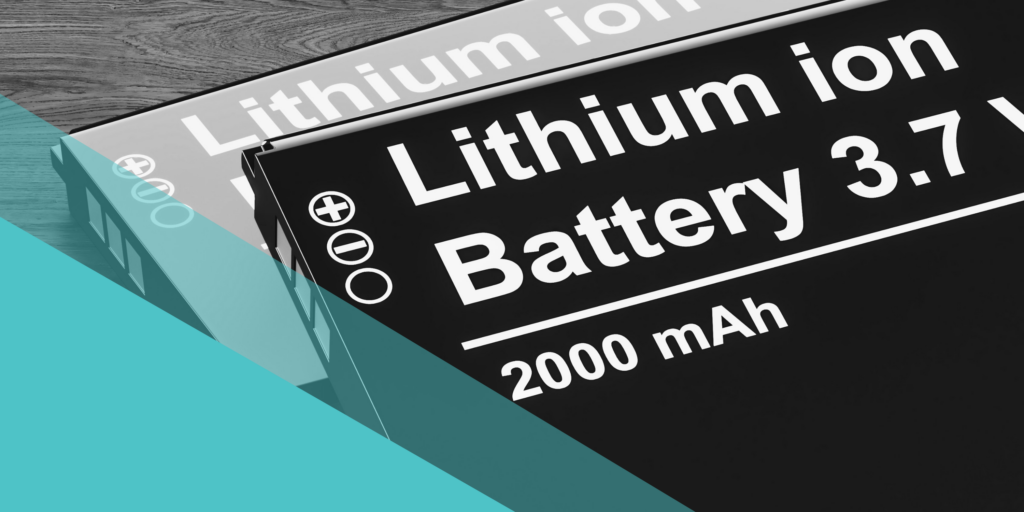
Today, lithium-ion batteries have become increasingly common in everyday life, powering everything from smartphones and laptops to e-bikes, appliances, vehicles, and commercial equipment.
While these batteries offer convenience and efficiency, they also present growing fire and liability risks for homeowners, property owners, schools, and businesses.
Recently, two GKG clients experienced separate incidents involving lithium-ion battery-powered devices that could have resulted in significant property damage (or worse). One involved an e-bike battery fire due to improper storage, while another occurred when a lithium-ion battery-powered vacuum cleaner ignited inside a storage closet. Fortunately, both incidents were contained before widespread damage occurred.
These events highlight a growing and often underrecognized exposure tied to the widespread use, charging, and storage of lithium-ion batteries within occupied buildings.
Why Lithium-Ion Battery Fires are Different
Lithium battery fires present unique hazards that distinguish them from traditional fires.
Through a process known as “thermal runaway,” a lithium-ion battery can ignite rapidly, burn at extremely high temperatures, release toxic gases, and reignite after suppression. This also makes it difficult to extinguish these fires with traditional fire suppression systems.
As battery-powered devices become more common, insurers and underwriters are paying closer attention to how these exposures are managed across both commercial and personal insurance programs.
Risk Mitigation Strategies
Proactive risk management strategies are crucial when it comes to mitigating the risk of battery fires. Consider implementing proactive safety measures, including:
- Using only manufacturer-approved batteries and charging equipment
- Never leaving charging devices unattended or in use overnight
- Storing batteries in cool, dry, well-ventilated areas
- Establishing formal policies related to battery storage and charging
- Educating employees, household members, and tenants on safe handling practices
- Reviewing emergency response procedures and fire protection systems
Insurance Considerations
Property owners, businesses, homeowners, and renters should work closely with their insurance advisors to evaluate whether their current insurance programs adequately address lithium-ion battery-related exposures.
Key coverage considerations may include:
- Property damage from fire, smoke, and water
- General liability coverage
- Business interruption or loss of rents coverage
- Product liability and recall coverage for manufacturers, distributors, or retailers of battery-powered products
- Environmental or pollution liability coverage
- Homeowners or renters coverage for personal property damage and additional living expenses
- Coverage limitations or exclusions related to modified devices, business use, or non-certified equipment
As insurers continue to monitor loss trends and underwriting conditions evolve, organizations and individuals that take a proactive approach to safety and risk management will be better positioned to reduce losses and maintain long-term insurance stability.
Connect with an Expert
Curious whether your home, property, or business is protected against this emerging risk? Connect with an advisor at Gilroy Kernan & Gilroy to review your current insurance and risk management strategy.